Travel Story
⚓ 3 Days in Split: A First-Time Itinerary for Roman Ruins, Seafront Walks, and Island Energy

Sponsored
Ads
splitcroatia
"Pomalo" is one of those Dalmatian words you hear quickly in Split. It roughly means take it easy, which is funny, because first-time visitors usually arrive ready to sprint through Roman ruins, beaches, viewpoints, and boat schedules.
This 3 days in Split itinerary is built for exactly that kind of trip, but with smarter pacing. It covers Diocletian's Palace, Old Split, the Riva, Marjan Park, some beach time, and one classic Adriatic boat day, along with practical advice on where to stay, how to get from the airport, and how to avoid the usual short-trip mistakes.
Split is one of the easiest places in Croatia to make feel exciting fast. You get Roman history, palm-lined waterfront energy, island-hopping options, and long golden evenings, all without needing a complicated multi-base plan.
Why Visit Split?
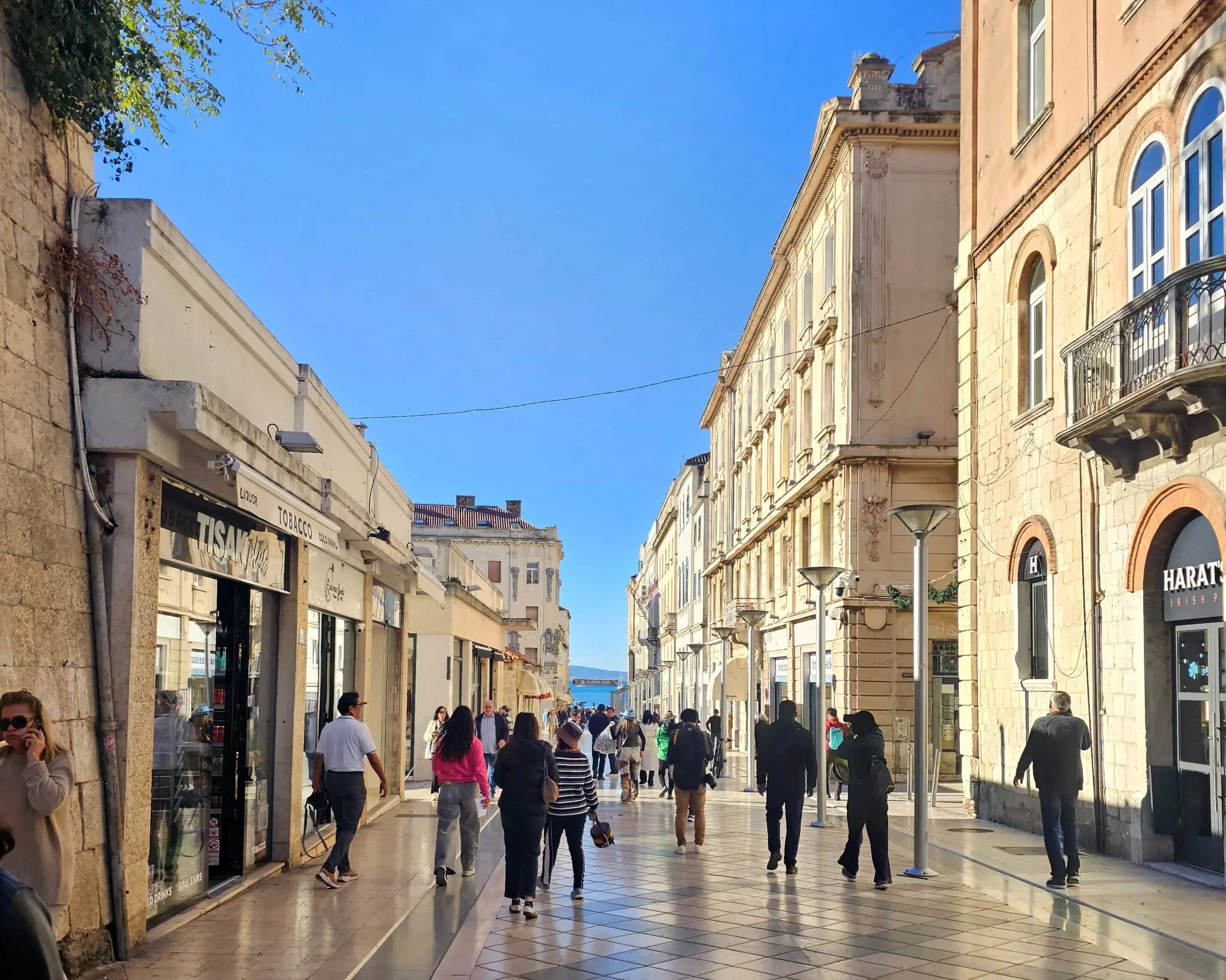
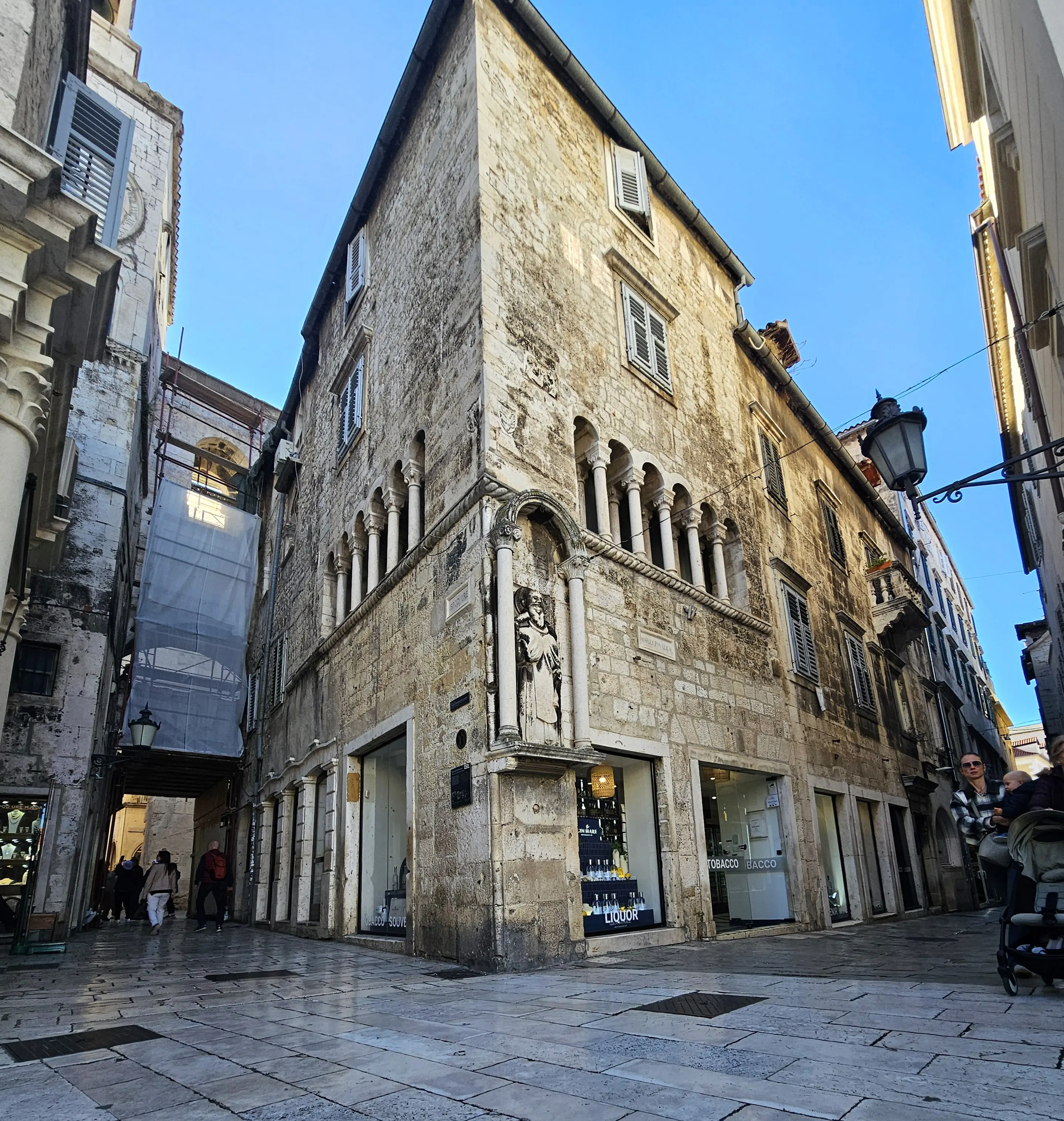
Split works brilliantly for general travelers because it feels historic, lively, scenic, and practical all at once. It is not just a gateway to the islands. The city itself has real texture, especially once you realize that the old town is woven directly into a Roman imperial palace.
- History: Diocletian's Palace is one of the most unusual historic centers in Europe because it is not just a monument. It is part of the living city.
- Atmosphere: The Riva promenade, old stone lanes, and late-night cafe culture make Split feel energetic without being overwhelming.
- Scenery: Marjan viewpoints, harbor panoramas, palm-lined waterfronts, and clear Adriatic water all land within a short radius.
- Convenience: The core sights are compact, the airport connection is straightforward, and day trips by boat are easy to arrange.
- Food: Fresh seafood, Dalmatian comfort dishes, pastries, wine, and strong coffee all fit naturally into the trip.
- Uniqueness: Few destinations let you walk through Roman basements in the morning and take a speedboat to turquoise coves the next day.
⏳ Is 3 Days Enough for Split?
Yes. 3 days is enough for Split if you are a first-time visitor focused on the essentials. In that time, you can experience the palace and old town properly, enjoy Split's waterfront rhythm, climb to a major viewpoint, fit in some beach time, and still add one memorable boat or island-style day.
This pace suits travelers who like:
- Early starts and efficient routing
- Big-name sights over niche museum deep dives
- One hotel base instead of constant packing
- Mixing history, sea views, and active sightseeing
What three days is not enough for: a slow island-hopping vacation, several full day trips, or a broad Croatia route that tries to do Split, Hvar, Brac, Dubrovnik, and Plitvice at once. But for a focused Split itinerary for 3 days, it is a very strong first-timer sweet spot.
🌤 Best Time to Visit Split
Split has a classic Adriatic Mediterranean climate, which usually means hot, bright summers and much milder shoulder seasons. The best month depends on whether you want beach time, easier sightseeing, lower prices, or fewer crowds.
Best overall: May to June and September
For most travelers, this is the best answer. You usually get warm weather, long daylight, and a much better balance between beach comfort and sightseeing comfort. Marjan walks, palace wandering, and boat trips all feel easier in these months than in peak summer.
Peak summer: July to August
This is when Split is at its liveliest and most crowded. Expect hotter stone streets, pricier hotels, busy beaches, and strong demand for boat tours and central accommodation. It is still a great time if you want maximum energy, but you need earlier starts and more booking discipline.
Shoulder-low season: April and October
These months can be very appealing for travelers who care more about walking and atmosphere than swimming. Prices often ease, the city feels less compressed, and it is easier to enjoy the old town without the full summer surge.
Winter: November to March
Split is quieter and cheaper in winter, and the city still looks beautiful, but this is not the best season for a fast-paced first trip built around beach stops and boat days. Some seasonal tourism services run at a reduced rhythm.
For most people planning a 3-day Split itinerary, I would aim for late May, June, or September.
🛏 Top Places to Stay in Split
For a short trip, the real question is not just budget. It is how close you want to be to the old town and ferry-port zone. Staying central saves a lot of time, especially on a three-day itinerary.
Quick area advice:
- Best for first-timers: Old Town edge, Riva, or Bacvice
- Best for atmosphere: Inside or just outside Diocletian's Palace
- Best for quieter evenings: Veli Varos or the Marjan side
- Best for budget value: East of the center, if you are happy to trade walkability for price
🚄 Getting from Split Airport to the City Center
Most visitors arrive through Split Airport (SPU), in Kastela, roughly 25 kilometers from the center. For this trip, "city center" basically means the main bus station / ferry port / old town zone.
Train
- No direct airport train: Split has a railway station by the port, but there is no direct rail link from the airport.
Airport shuttle bus
- Operator: Pleso Prijevoz runs the official airport shuttle service.
- Travel time: Usually about 30 minutes to the main bus station and ferry port area.
- Convenience: Very good for most first-time visitors because it takes you straight to the most practical arrival point in Split.
- Budget level: Low to mid-range.
- Best for: Travelers staying near the old town, ferry port, or Bacvice.
Public bus
- Route: Promet Split's Bus Line 37 connects Split, the airport, and Trogir.
- Travel time: Usually around 40 to 50 minutes, sometimes more in traffic.
- Convenience: Cheaper than the shuttle, but slower and less comfortable with luggage.
- Budget level: Low.
- Practical note: Promet Split lists lower fares in its app or smartcard system than for paper tickets bought on the bus.
Taxi, rideshare, or private transfer
- Travel time: Usually 30 to 40 minutes depending on traffic and your hotel location.
- Convenience: Easiest option if you are arriving late, carrying luggage, or staying outside the old town.
- Budget level: Mid-range to high.
- Best for: Families, groups, and travelers who want door-to-door simplicity.
Practical tip: if you are staying inside the palace lanes, the last few minutes may still be on foot over stone streets.
🚇 Getting Around Split
Central Split is highly walkable, which is one of the biggest reasons it works so well for a short trip. Once you are in the old town and waterfront zone, most of your time will be on foot.
- Walking: Best for Diocletian's Palace, the Riva, Old Split, Bacvice, and much of Veli Varos. Wear shoes with grip because polished stone can be slippery.
- City buses: Promet Split runs the local network and is useful for farther beaches, neighborhoods outside the center, and airport Bus 37. This is the main public transport option.
- Taxis and rideshare: Very practical for late returns, hotel transfers, or cutting down uphill walking in hot weather.
- Ferries and catamarans: Essential only if you are adding islands or onward travel. For this itinerary, a day tour usually saves more time than DIY ferry-hopping.
- Driving: Not recommended for a short Split city break. Parking is expensive, central streets are awkward, and you do not need a car for the main highlights.
Practical tip: stay central, walk the city core, and only use transport for the airport, longer beach jumps, or your boat day.
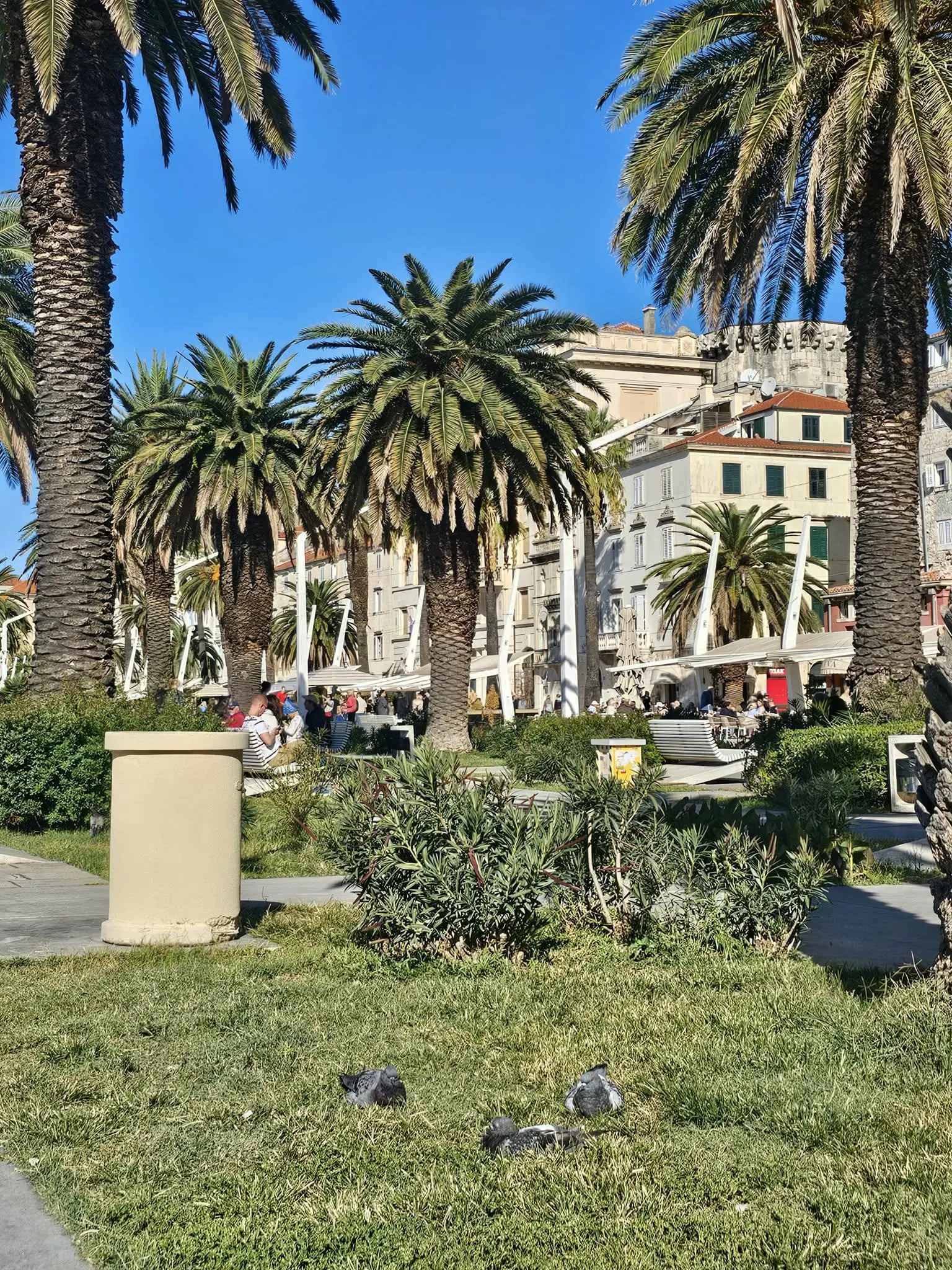
✅ Must-Do Activities in Split
These are the mainstream Split experiences that consistently stand out on Tripadvisor, Viator, and official local platforms.
🗺 The Itinerary
This plan is built to hit the biggest Split highlights fast while still giving the city enough space to feel stylish and coastal rather than rushed.
Day 1: Diocletian's Palace, Old Split, and a Waterfront Sunset
Morning: Start early in Diocletian's Palace. Go before the middle of the day if you want the best atmosphere and cleaner photos. Walk the Peristyle, palace lanes, and at least one of the major gates, then visit the cellars if you want more historical context. This is the right moment to appreciate why Split feels so different from a standard old town. You are not just visiting ruins. You are moving through a living city built into them.
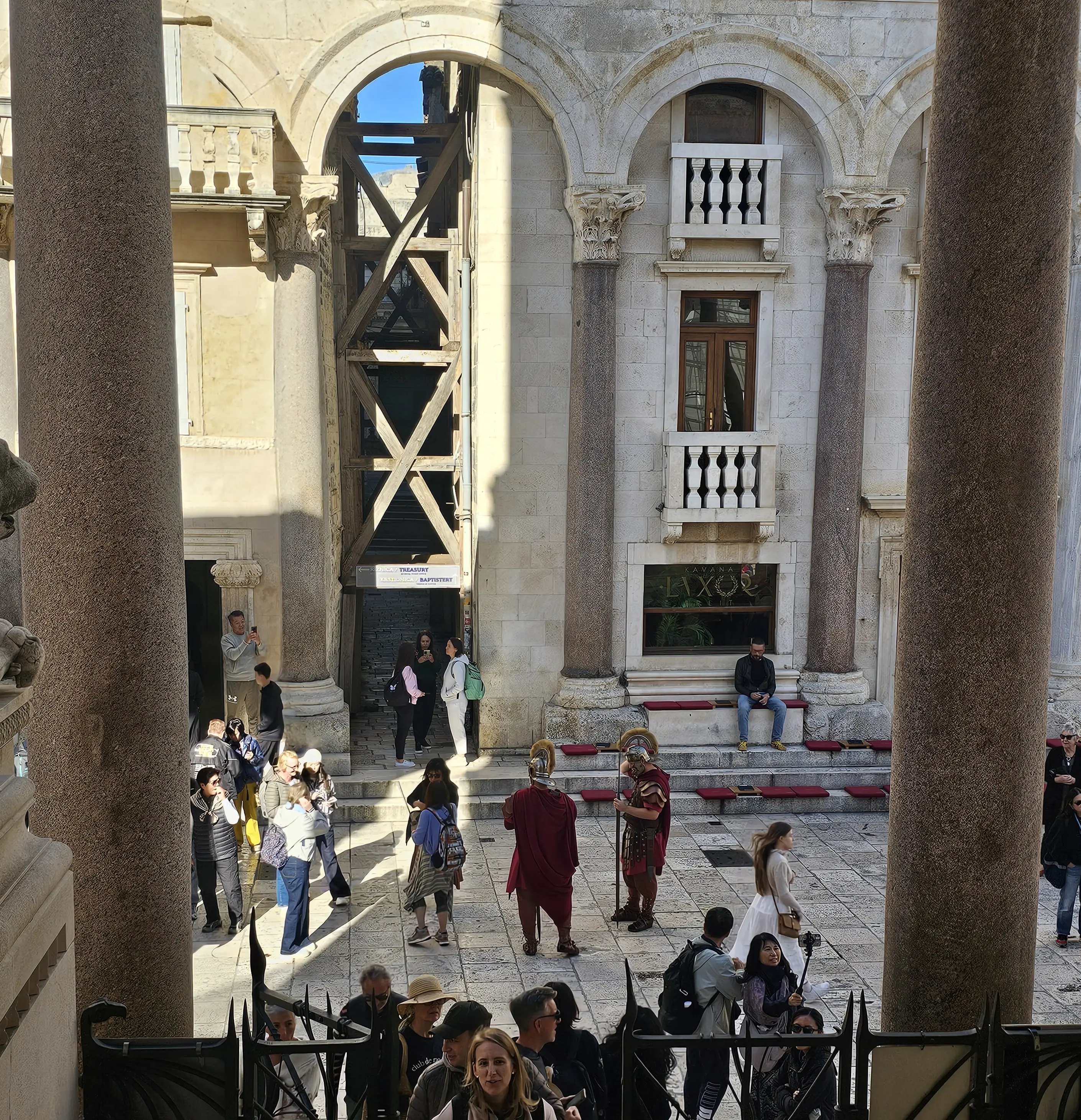
Afternoon: Continue through Old Split, then climb the Cathedral of Saint Domnius bell tower if lines are reasonable. After that, slow down around Narodna Square, the smaller side lanes, and the Riva. Have lunch late, coffee even later, and let the waterfront rhythm sink in.
Evening: Stay near the harbor and the Riva for golden hour. Split's evening mood is one of its biggest advantages over stricter museum-heavy cities. The city opens up after dark in a very easy, social way.
Optional food/photo idea: Finish with a rooftop drink or a harbor-facing dinner, then photograph the lit-up palace area after dark.
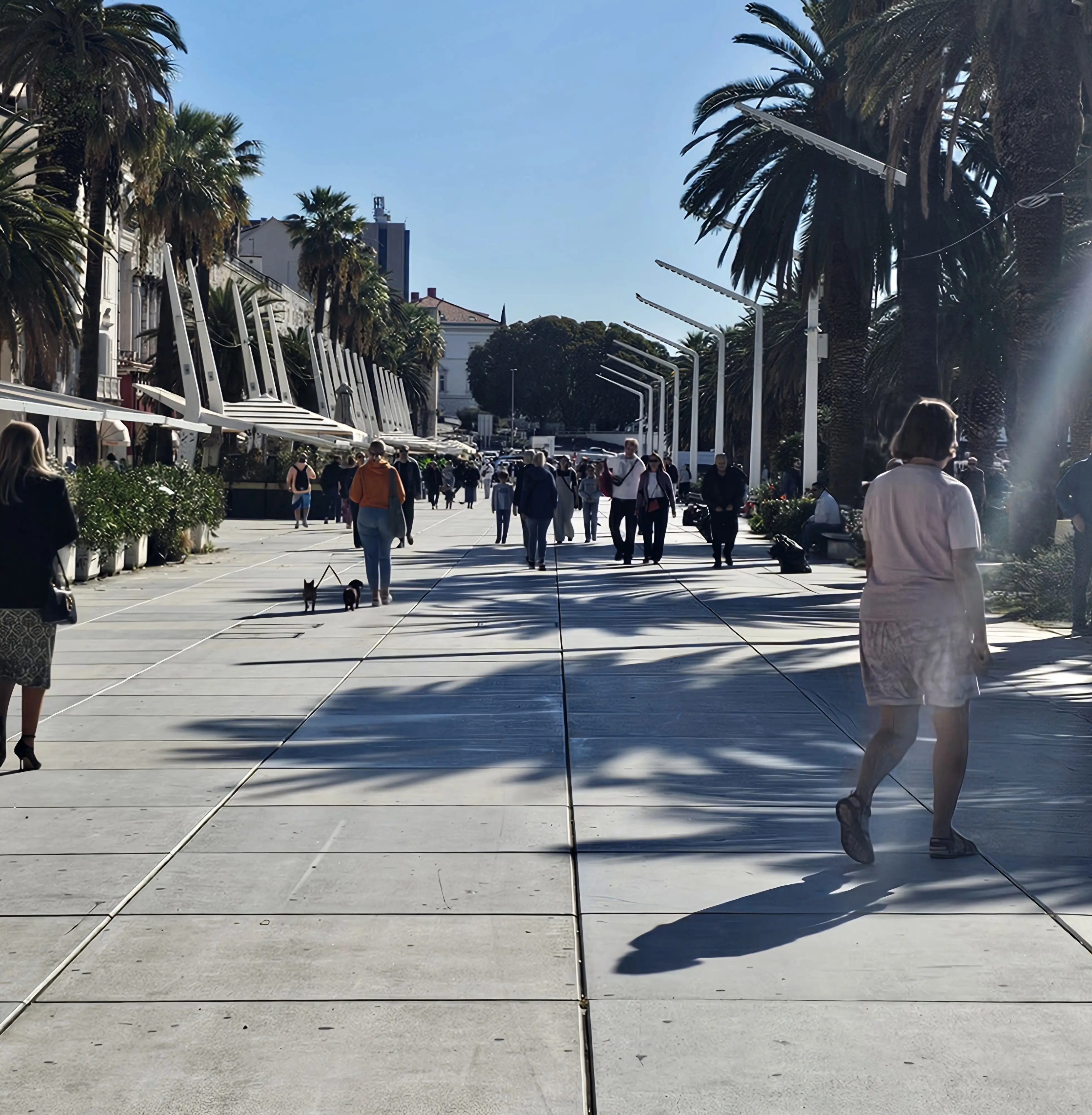
Practical tip: Day one is mostly walkable, so this is the best day to arrive without overcomplicating transport.
Day 2: Marjan Hill, a Beach Break, and Split Beyond the Palace
Morning: Head up to Marjan Park before the heat builds. Walk the lower trails or climb toward the classic viewpoints for a wide look back over the harbor and old town. This is where Split stops feeling like only a historic city and starts feeling like a full Adriatic lifestyle destination.
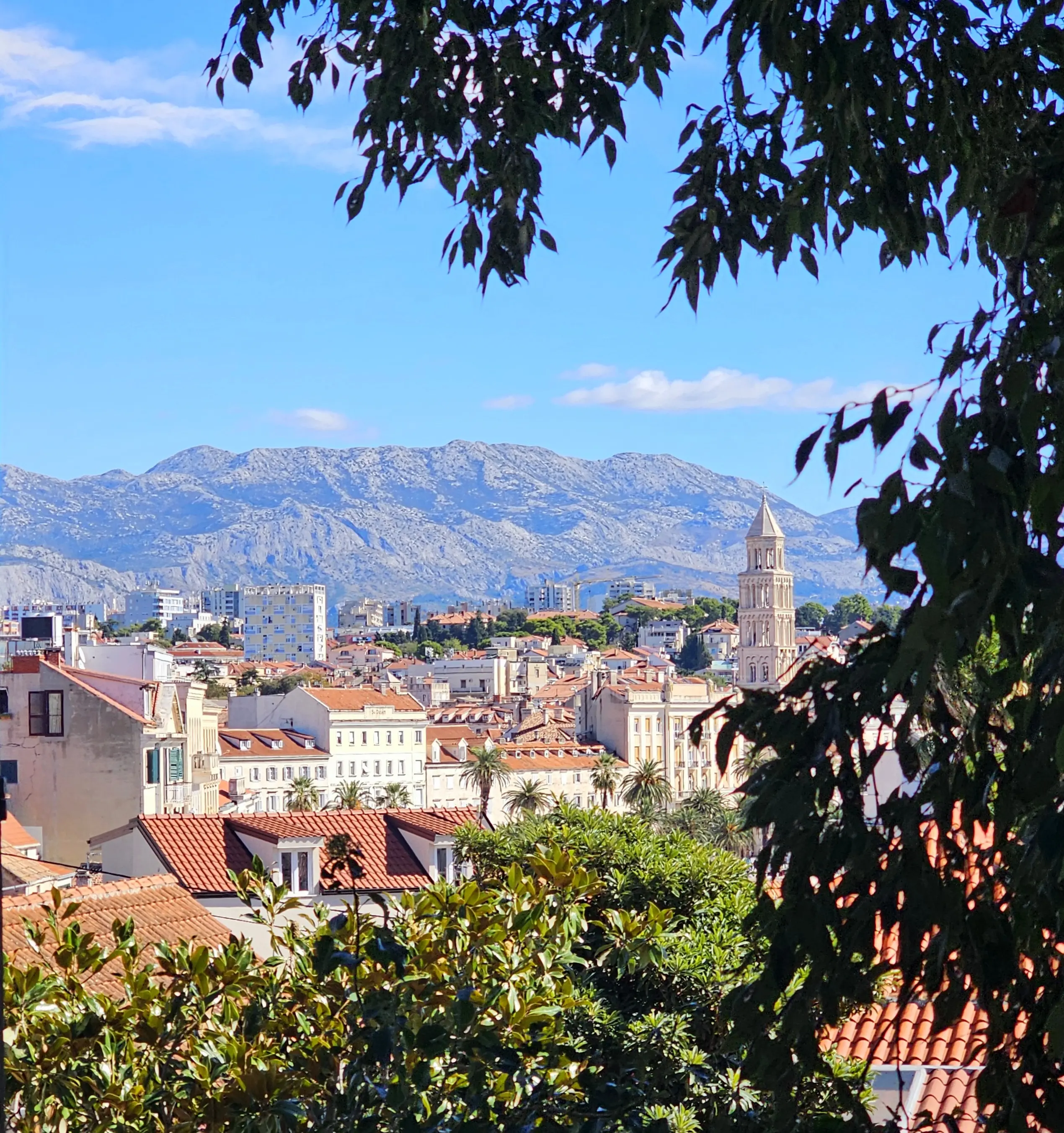
Afternoon: Use the second half of the day for a swim. If you want the easiest urban option, go to Bacvice Beach. If you want something more scenic, head toward the Kasjuni side of Marjan. On a very hot day, this split between viewpoint walking and sea time works better than trying to stack museums and ruins all afternoon.
Evening: Return through Veli Varos or the center for dinner. This is a good night for seafood, local wine, and one more slow walk along the Riva.
Optional food/photo idea: Sunset photos from the Marjan side are stronger than from Bacvice, so stay west if light matters more than convenience.
Practical tip: Carry water, sunscreen, and swimwear from the start. Split's second day is much easier when you do not have to return to your hotel between the hill and the beach.
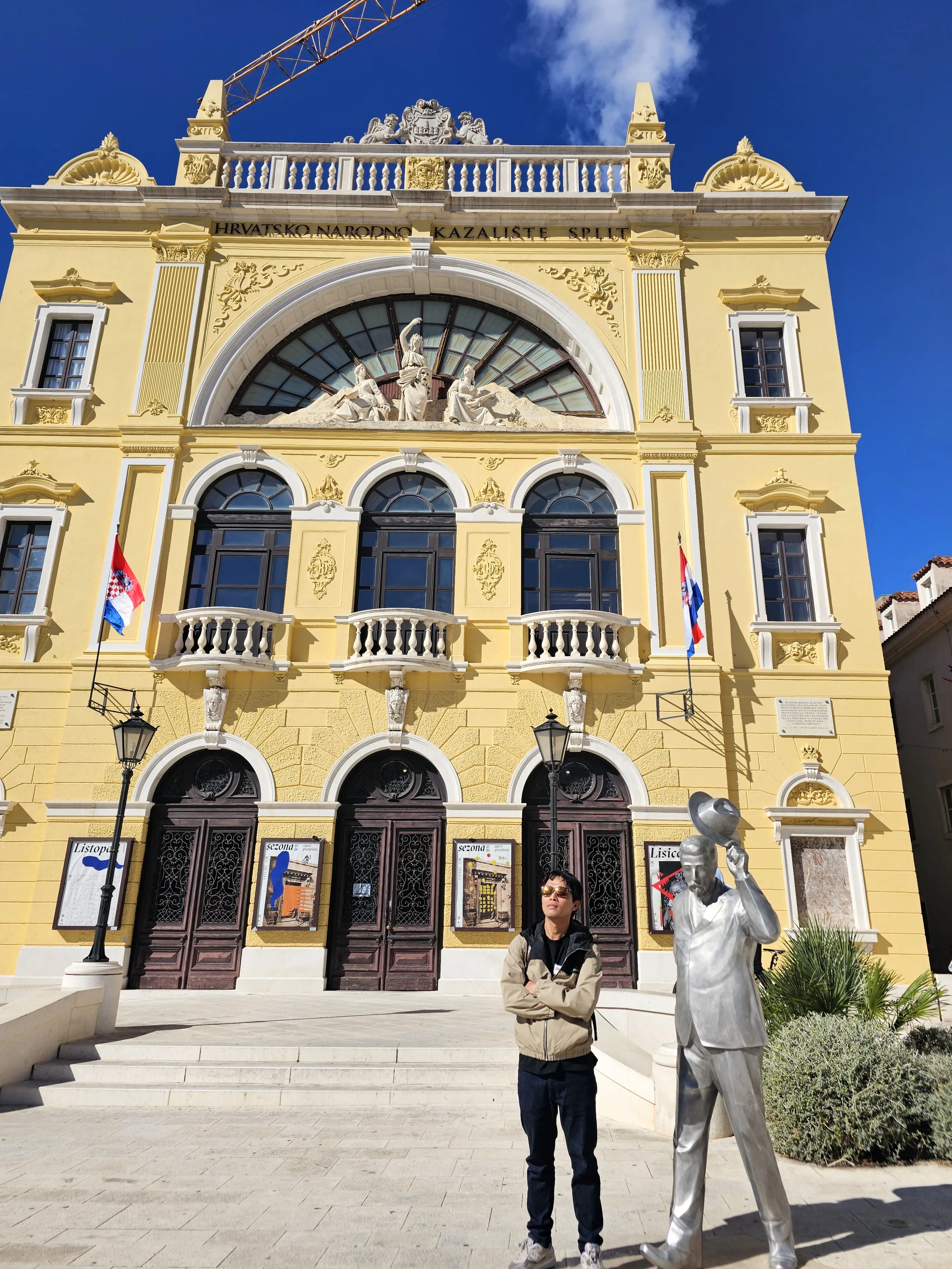
Day 3: Blue Lagoon and Adriatic Islands Day, with a Final Split Night
Morning: Take a Blue Lagoon and islands boat tour from Split harbor. This is the most efficient way to add Croatia's classic clear-water, small-island energy to a short city trip. A strong mainstream Viator version has more than 2,500 reviews, which is a good sign for travelers who want a proven option rather than a random bargain booking.
Afternoon: Expect swimming, snorkeling, and at least one pretty harbor or old-town-style stop, often Trogir or a nearby island village depending on the operator. This gives your trip a much wider feel than staying in Split the whole time, without the friction of changing hotels.
Evening: Return to Split for a final dinner and one last walk through the old center. At this point, the best move is not trying to force another sight. It is enjoying the city now that you know how its Roman core, harbor, and seaside personality connect.
Optional food/photo idea: Do one final palace walk after dark. The stone feels calmer and more cinematic at night.
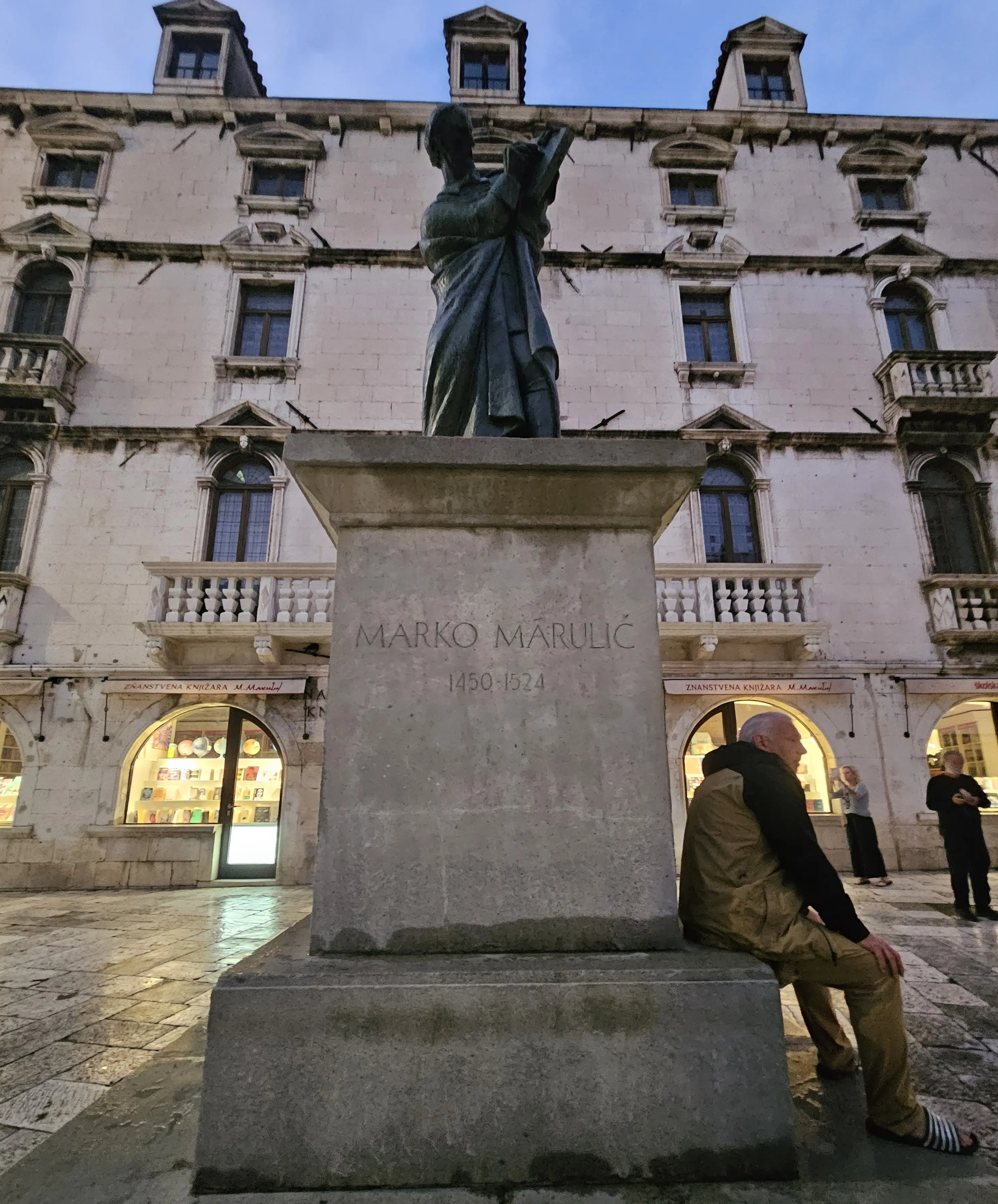
Practical tip: If the weather looks rough, swap the boat tour for a land-based day with Trogir by bus and extra time back in Split.
Best Local Foods to Try in Split
- Black risotto: One of the most recognizable Adriatic seafood dishes
- Pasticada: A rich Dalmatian beef dish that feels like a proper local classic
- Soparnik: A traditional Dalmatian savory pie that is simple and genuinely regional
- Grilled fish: Best when you want something straightforward and local
- Octopus salad: A great warm-weather lunch option
- Fritule: A sweet bite if you want a dessert or market-style snack
- Dalmatian wine: Easy to fit into a harbor dinner or final-night meal
Estimated Daily Budget for Split
Split is not cheap in peak season, but it is usually more manageable than Dubrovnik. These are broad planning ranges only.
- Budget-conscious: about EUR 90 to EUR 150 per person per day with a simple hotel or hostel, casual food, and mostly walking or buses
- Mid-range: about EUR 170 to EUR 290 per person per day with a good central hotel, paid sights, and one stronger dinner
- Splurge: EUR 340+ per person per day once you add upscale hotels, premium seafood meals, and private transfers or high-end tours
Typical daily costs might include:
- Transport: roughly EUR 5 to EUR 35 depending on buses versus rideshare or airport transfers
- Food: roughly EUR 25 to EUR 90+ depending on how often you eat near the waterfront
- Attractions and tours: roughly EUR 15 to EUR 120+ depending on whether the day includes a bell tower, cellars, or a boat trip
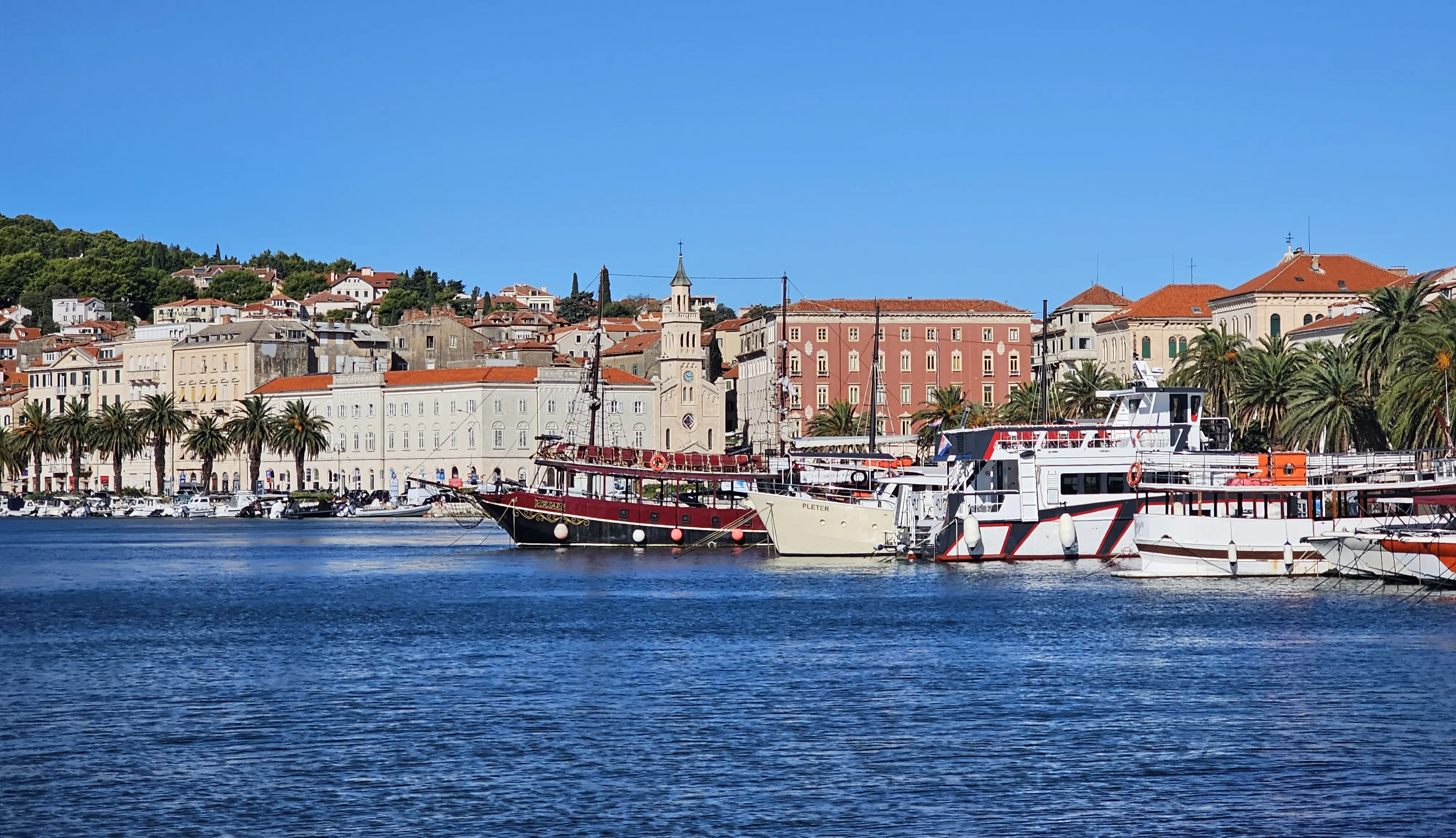
Best Photo Spots in Split
- Marjan viewpoints: Best for wide city-and-harbor panoramas
- Cathedral bell tower: Great for rooflines and a tighter view over the palace
- The Peristyle: The signature Roman setting in the heart of the city
- The Riva at golden hour: Best for Split's palm-lined waterfront mood
- Matejuska and the harbor edge: Great for boats, water, and evening atmosphere
- Kasjuni or Marjan's west side: Better if you want coast-and-pine scenery rather than old town architecture
What to Book in Advance
- Well-located hotels: Especially if you want Old Town, Bacvice, or a strong Marjan-side boutique stay in summer
- Airport transfer: Useful for late arrivals or short stays where lost time matters
- Blue Lagoon or island boat tour: Especially from June through September
- Any must-have sunset dinner: Waterfront tables go quickly in peak season
- Onward ferries: Only if you are continuing to Hvar, Brac, or another island after this trip
Common Mistakes Tourists Make in Split
- Assuming Split is only a transit point and not giving the city itself enough time
- Staying too far from the center on a three-day trip just to save a little money
- Trying to combine multiple full day trips with the city highlights in only three days
- Climbing Marjan too late in the day in peak summer heat
- Booking a boat day without checking weather and cancellation terms
- Expecting Bacvice to be the prettiest beach in Dalmatia rather than simply the easiest city beach
- Dragging a rental car into the center and then fighting parking
- Wearing smooth shoes on old stone streets and steps
⚠ Tips for Split
- Start early in the palace: The atmosphere is better before the middle of the day.
- Stay central if you can: Three days is short, and walkability matters.
- Carry a swimsuit most days in warm weather: Split makes spontaneous sea stops very easy.
- Use cards, but keep some cash: Cards are common, but small kiosks and casual spots can still favor cash.
- Protect yourself from the sun: Marjan and the waterfront can feel much hotter than they look.
- Book boat tours with reputable operators: Strong review volume matters for short trips.
- Do not over-schedule every evening: Split is one of those places that rewards simply being out in the city after dark.
- Expect later dinners: The city warms up socially in the evening.
- If you want prettier swimming: Head west of the center rather than assuming the nearest beach is the best beach.
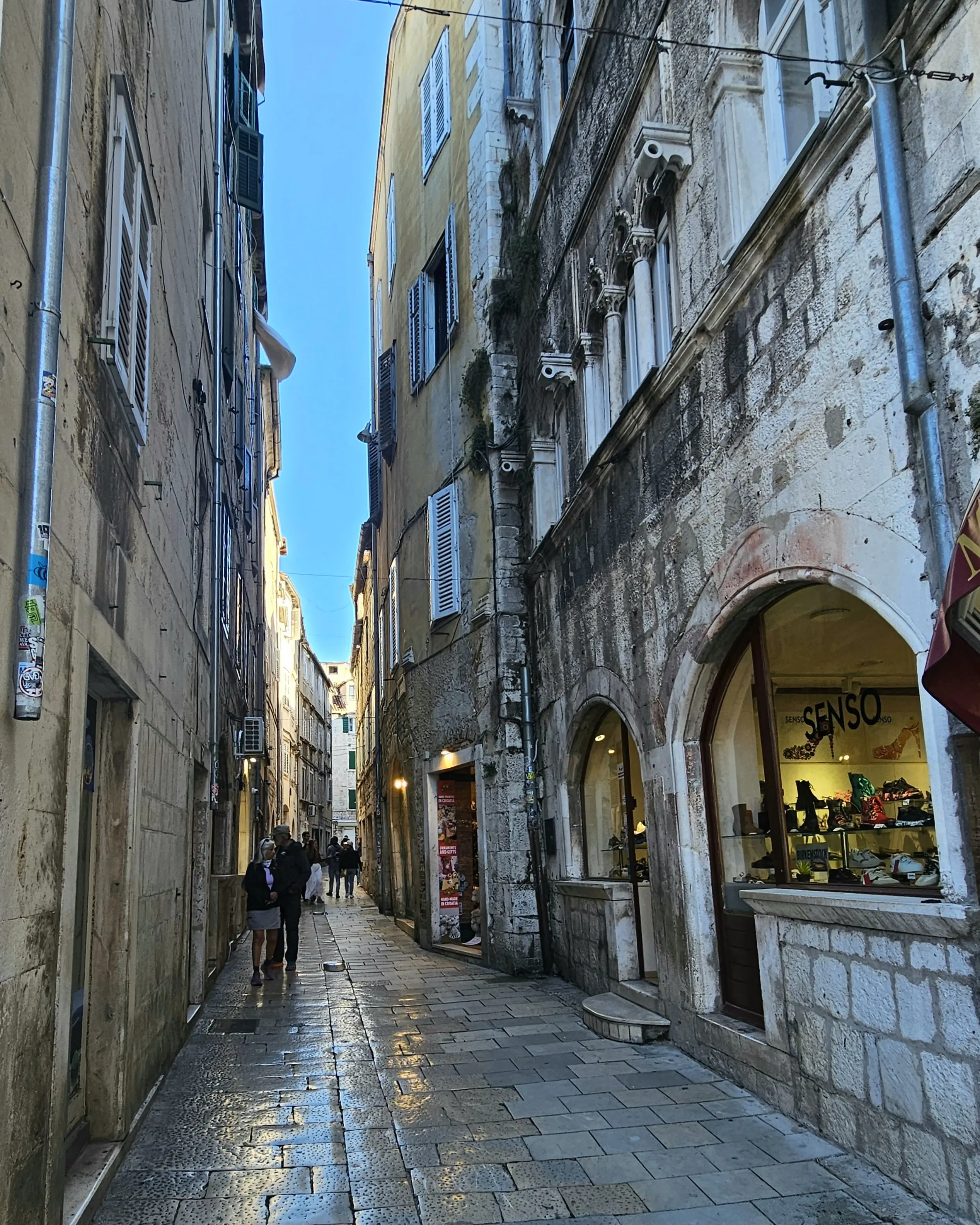
FAQ: Split Itinerary Questions First-Time Visitors Ask
Is 3 days enough for Split for first-time visitors?
Yes. Three days is enough to cover Split's main highlights, including Diocletian's Palace, the waterfront, Marjan, and one sea-based day.
What is the best area to stay in Split for a 3-day trip?
For most first-timers, the best areas are the Old Town edge, the Riva area, Bacvice, or Veli Varos. These areas keep you close to the main sights and the harbor zone.
Do I need a car in Split?
No. For a short Split city break, a car is more hassle than help. Walking, buses, taxis, and organized boat tours are enough.
Is Split expensive?
Split can be pricey in peak summer, especially near the waterfront, but it is usually more manageable than Dubrovnik and still works at several budget levels.
Should I do a boat tour from Split?
If the weather is good, yes. For many first-time visitors, one boat day is what makes a short Split trip feel unmistakably Croatian rather than just historical.
Can I do Hvar as a day trip from Split?
You can, but on a 3 days in Split trip it often makes the schedule more rushed than necessary. A simpler Blue Lagoon or nearby-islands tour usually fits better.
Final Thoughts
Split is one of the easiest places in Croatia to recommend for a first trip because it gives you a lot without making you work too hard for it. The city is compact, photogenic, historically rich, and close enough to the sea that the whole trip feels lighter.
If you want 3 days in Split to feel exciting, practical, and full of famous spots without becoming chaotic, this route is a very strong place to start. Go for the Roman core, stay for the waterfront evenings, and leave room for one fast Adriatic escape.